
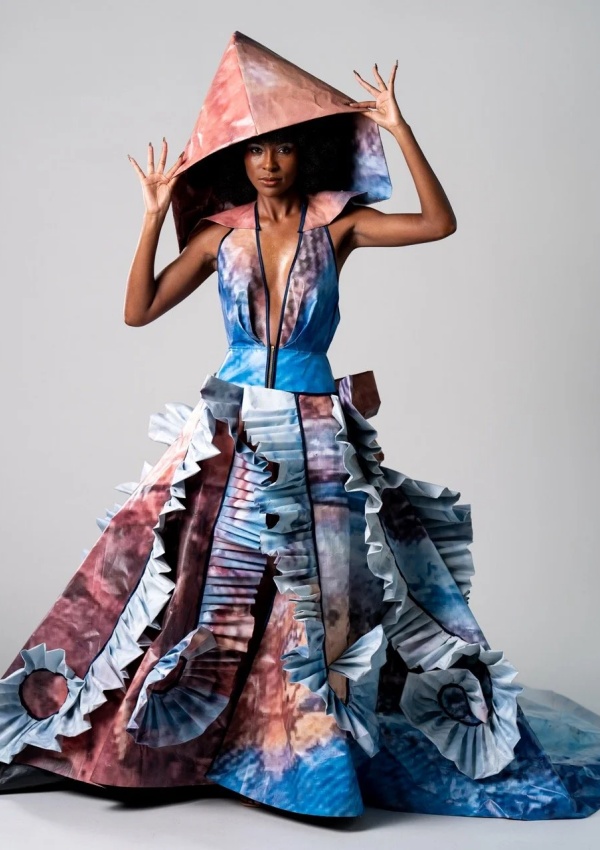
Fashion show trend archaeology has become a captivating exploration of the past, connecting historical influences with modern design. This practice involves digging deep into fashion history to uncover styles, fabrics, and techniques that have shaped the industry over decades. Designers are increasingly looking back to find inspiration, breathing new life into timeless trends while creating fresh narratives for contemporary audiences.
One of the most exciting aspects of trend archaeology is the ability to reinterpret past styles in a way that feels relevant today. Vintage pieces often carry stories and cultural significance that resonate with modern consumers. Designers are taking cues from different eras, whether it’s the bold silhouettes of the 1980s or the bohemian vibes of the 1970s. By infusing these elements into their collections, they create a dialogue between the past and present, allowing fashion to evolve while honoring its roots.
The materials used in historical designs also play a crucial role in this exploration. Fabrics like velvet, lace, and brocade have made a comeback, thanks to their rich textures and timeless appeal. Designers are experimenting with these materials to add depth and luxury to their collections. This revival of classic fabrics not only enhances the aesthetic but also encourages sustainable practices by promoting the use of high-quality, long-lasting materials.
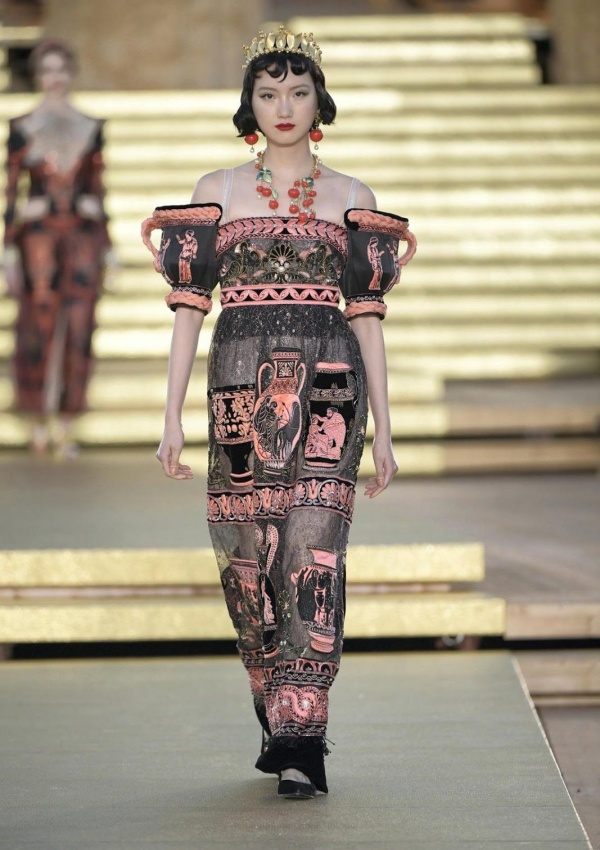
Color palettes drawn from past trends are another area where trend archaeology shines. Designers often look to historical color schemes to inspire their collections. The soft pastels of the 1950s or the vibrant hues of the 1960s can evoke specific emotions and moods, setting the tone for an entire collection. By incorporating these color stories, designers can create a cohesive look that feels both nostalgic and fresh, appealing to a diverse audience.
Accessories also play a significant role in this archaeological approach. Vintage accessories can transform an outfit, adding character and uniqueness. Designers are embracing statement pieces like oversized hats, chunky jewelry, and retro handbags to complete their looks. These accessories not only enhance the overall aesthetic but also allow individuals to express their personal style, making each outfit a reflection of the wearer’s identity.
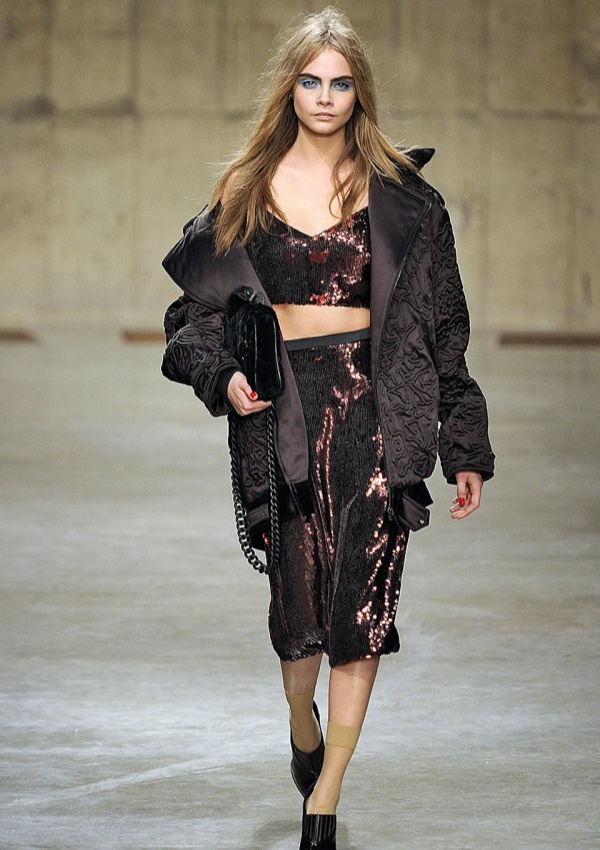
Fashion shows themselves have become a canvas for this trend archaeology. Runway presentations often incorporate theatrical elements that pay homage to historical moments in fashion. Designers are curating experiences that transport the audience to different eras, creating an immersive environment that captivates and inspires. This theatricality adds layers to the storytelling aspect of fashion, making each show a memorable event.

The collaboration between designers, historians, and stylists is essential for successful trend archaeology. By working together, they can uncover hidden gems from the past and reinterpret them for modern audiences. This collaborative spirit fosters innovation, encouraging designers to think outside the box while staying grounded in fashion history.
Trend archaeology in fashion shows is not just about nostalgia; it’s about creating a sustainable future by learning from the past. As designers continue to explore historical influences, they are reshaping the industry, making it more inclusive and diverse. This journey into fashion history is an exciting adventure that promises to inspire creativity and innovation for years to come. The fusion of past and present will continue to captivate audiences, ensuring that fashion remains a dynamic and ever-evolving art form.