
When it comes to hitting the trails, lightweight and breathable hiking boots can make all the difference in your comfort and enjoyment. Whether you’re planning a day hike or a multi-day trek, having the right footwear is essential. With so many options available, finding the perfect pair might feel overwhelming, but a few key factors can simplify the decision-making process.
Start by considering the fit. A well-fitting boot is crucial for preventing blisters and ensuring comfort during long hikes. When trying on boots, wear the same socks you intend to use on your adventures. Your toes should have enough space to wiggle, while your heel should remain snug to avoid any unnecessary movement. Take a stroll around the store to gauge how they feel. Pay attention to any areas of pressure or discomfort, as these can become problematic on the trail.

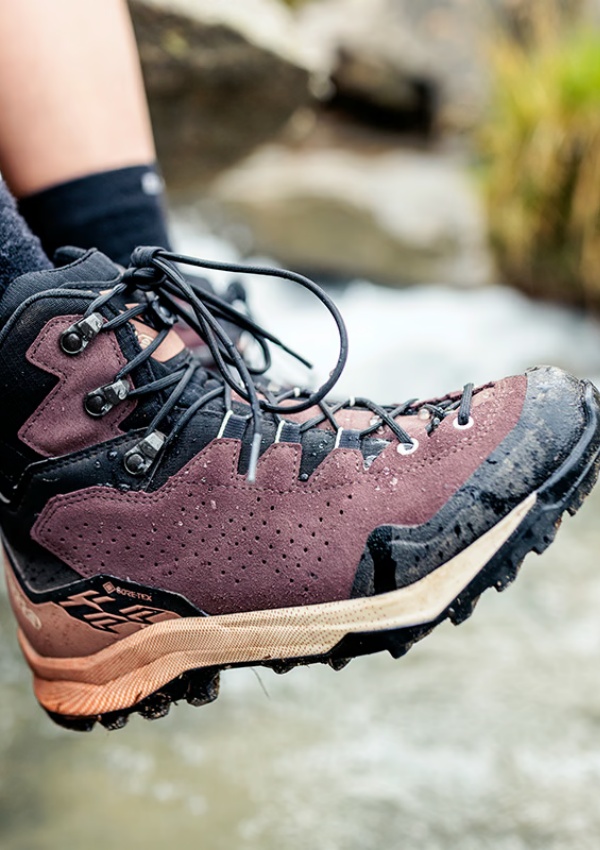
Look at the materials used in the boots. Lightweight boots often utilize synthetic materials that provide excellent breathability while keeping the weight down. Mesh panels are common in breathable designs, allowing for airflow and moisture-wicking, which helps keep your feet cool and dry. However, consider how these materials will hold up against rugged terrain. Some boots combine lightweight fabrics with reinforced areas for added durability.
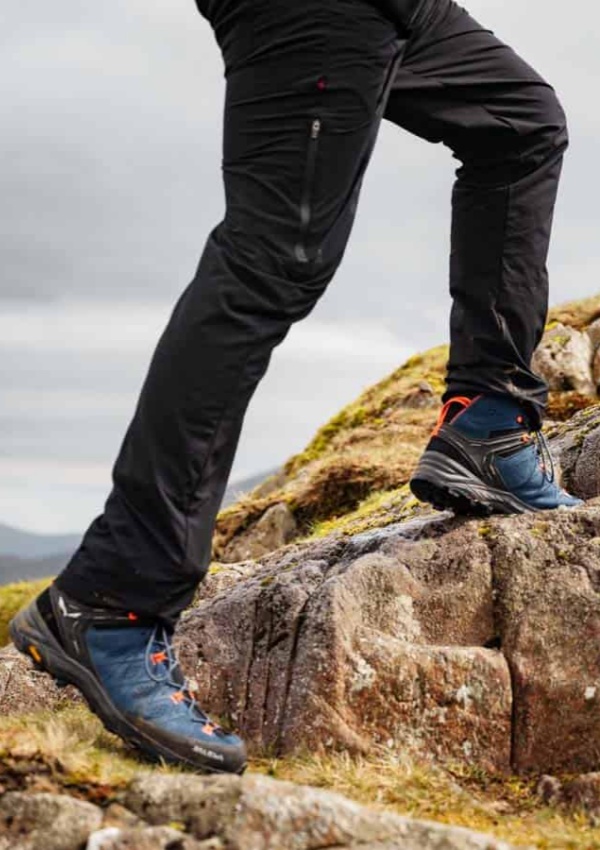
Traction is another vital aspect to think about. Hiking boots come with various outsole designs tailored for different surfaces. Look for boots equipped with rubber outsoles featuring deep lugs for better grip on uneven or slippery trails. A good grip not only enhances your stability but also boosts your confidence on challenging paths.
Weight plays a significant role in your overall hiking experience. Heavier boots can lead to fatigue, especially on long hikes. Lightweight options allow for greater agility and less strain on your legs. Many brands offer a balance between support and weight, ensuring that you don’t sacrifice comfort for lightness. It’s worth trying on several pairs to find the right balance for your needs.

Breathability is crucial, especially in warmer weather. A boot that allows for airflow helps prevent overheating and keeps your feet feeling fresh. Look for models with moisture-wicking linings that draw sweat away from your skin. This feature can be a game-changer during long hikes, where comfort is paramount.
Consider the terrain you plan to tackle. Lightweight boots are typically designed for well-maintained trails and moderate conditions. If you’re venturing into rocky or rugged areas, you might want to opt for a boot that offers a bit more support and protection. However, for casual hikes or walking on established paths, lightweight and breathable options can provide the comfort you need.
Take the time to read reviews from fellow hikers. Hearing about others’ experiences can give you insight into how different models perform in real-world conditions. Look for feedback on comfort, durability, and breathability. This information can help narrow down your choices and guide you toward a pair that fits your specific hiking style.
Choosing the right lightweight and breathable hiking boots can enhance your outdoor experiences. With the right fit, materials, and traction, you can enjoy every step on the trail. Investing in a good pair of boots not only boosts your comfort but also allows you to focus on the beauty of nature around you.